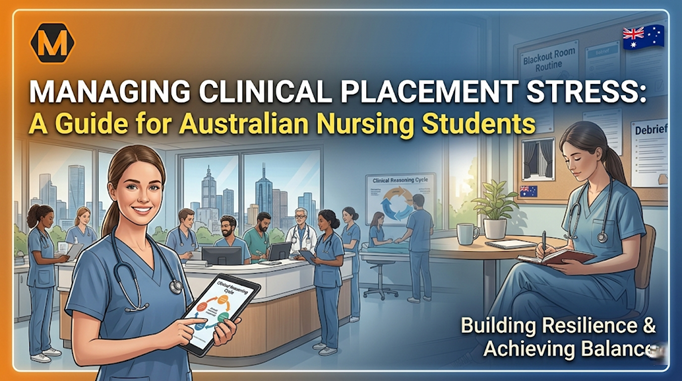
The transition from classroom theory to the fast-paced environment of a hospital ward is one of the most daunting phases for any nursing student. In Australia, clinical placements are a mandatory and rigorous component of the nursing curriculum, designed to test not only your medical knowledge but also your emotional resilience. The pressure to perform under the watchful eye of a clinical facilitator while managing complex patient needs can lead to significant burnout if not managed with a clear strategy.
Understanding how to balance these demands is essential for long-term success. Many students find that the sudden influx of practical responsibilities leaves little room for their theoretical studies. This is where academic support becomes a necessity rather than a luxury. To maintain a high GPA while excelling in a ward environment, many high-achieving individuals seek out my assignment help australia to manage their research papers and case studies, allowing them to focus entirely on patient care during their placement hours.
The Psychological Impact of Clinical Placements
Clinical stress isn’t just about being busy; it’s about the emotional weight of healthcare. Students often face “reality shock” when they encounter the gap between textbook scenarios and the unpredictable nature of a busy Australian emergency department or aged care facility.
Common Stressors Include:
- Performance Anxiety: The fear of making a clinical error or failing an assessment.
- Time Poverty: Struggling to balance 12-hour shifts with university deadlines.
- Emotional Labor: Dealing with patient suffering or difficult family dynamics for the first time.
Strategies for Maintaining Work-Life-Study Balance
Survival in the nursing field requires a proactive approach to time management. Unlike other degrees, nursing doesn’t allow for “cramming.” You are learning skills that save lives, which means your mental clarity must be a priority.
| Strategy | Action Step | Expected Outcome |
| Active Reflection | Keep a daily journal of clinical experiences. | Improved critical thinking and emotional processing. |
| Pre-Placement Prep | Research the specific ward and common medications used there. | Reduced anxiety on the first day of the shift. |
| Delegation | Outsource non-essential tasks or seek academic guidance. | More time for sleep and physical recovery. |
| Peer Support | Join study groups with fellow nursing students. | Validation of experiences and shared learning. |
Navigating Technical Documentation and Care Plans
One of the most significant hurdles during placement is the sheer volume of documentation. Australian nursing standards require precise, evidence-based reporting. Writing a “Patient Care Plan” or a “Reflective Journal” requires a deep understanding of the NMBA (Nursing and Midwifery Board of Australia) standards.
When the technical requirements of these documents become overwhelming, it is common to seek specialized assistance. This is where Myassignmenthelp Services provides high-level nursing assignment help Australia to ensure that your reflective essays and clinical reports meet the specific legislative and ethical requirements of the Australian healthcare system. By ensuring your documentation is professionally structured, you can focus your energy on mastering manual handling and medication administration on the ward.
The Importance of the “Debrief”
In the Australian healthcare system, debriefing is a standard practice for a reason. It prevents the accumulation of secondary traumatic stress. As a student, you should never leave a shift carrying a heavy emotional burden. Speak to your preceptor or university liaison about any incidents that troubled you. This isn’t a sign of weakness; it is a sign of professional maturity and self-awareness.
Physical Resilience: The Foundation of Mental Health

You cannot pour from an empty cup. The physical toll of nursing—standing for hours, lifting patients, and skipping breaks—directly impacts your cognitive function.
- Hydration: Carry a water bottle and sip between patient rounds.
- Nutrition: Avoid the “student diet” of caffeine and sugar; opt for slow-release energy foods like oats or nuts.
- Sleep Hygiene: If you are on a rotation of morning and afternoon shifts, maintain a strict blackout curtain setup to ensure quality REM sleep.
Cultivating a Professional Identity
Placements are essentially a long-form job interview. Building rapport with the nursing staff and showing initiative can lead to graduate year offers. However, this is only possible if you aren’t perpetually exhausted. By managing your academic workload effectively and utilizing available support systems, you present yourself as a calm, capable, and collected future nurse.
Frequently Asked Questions (FAQ)
Q.1 How many hours of clinical placement are required in Australia?
Ans: While it varies slightly by state and university, most Bachelor of Nursing programs in Australia require a minimum of 800 hours of supervised clinical practice to meet registration requirements.
Q.2 What should I do if I feel my clinical facilitator is being unfair?
Ans: First, document specific instances of concern. Approach your facilitator for a private, professional conversation to seek feedback. If the issue persists, contact your University Clinical Coordinator immediately.
Q.3 Can I work a part-time job during my placement weeks?
Ans: It is highly discouraged. Most placements require full-time hours (38–40 hours a week), often on rotating shifts. Adding a part-time job increases the risk of burnout and clinical errors.
Q.4 Why is evidence-based practice so important in nursing assignments?
Evidence-based practice ensures that patient care is grounded in the latest research rather than tradition. In Australia, following these protocols is a legal and ethical requirement for all registered nurses.
Q.5 How do I handle my first patient death during placement?
Ans: This is a significant milestone. Seek a debrief with your preceptor or the hospital’s pastoral care team. Take time to process the event and remember that your university offers counseling services specifically for students in high-stress clinical roles.
About The Author
Hello, I am Min Seow. As a dedicated content strategist and academic consultant, I specialize in helping university students navigate the complexities of higher education with clarity and confidence. My work focuses on bridging the gap between classroom theory and professional practice, particularly within the rigorous standards of the Australian academic system.